
CULTURE · CIVIC ESSAY
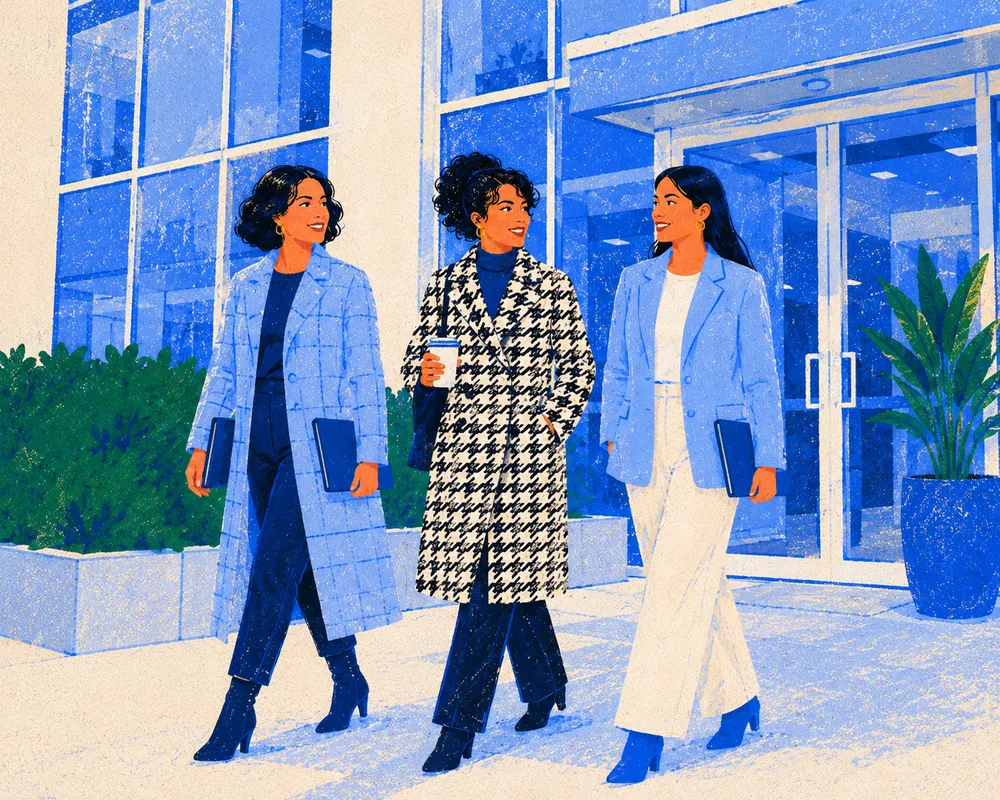
They are not waiting for permission. Latinas are building the businesses, making the culture, holding the offices, and finishing the degrees that shape American life. What follows is a report on the direction — not the destination.
By Rafael Magaña · July 14, 2026 · ~4 minute read
EDITORIAL · RECORD №00104 · MMXXVI
Reported, Summer 2026.
IN BRIEF
- More than 2 million Latina-owned businesses now operate in the United States, contributing billions of dollars to the economy — one of the fastest-growing segments of American business formation.¹
- Inside Latino households, Latinas make most purchasing decisions. The market is not accommodating a demographic; it is responding to who holds the decision.
- Culture and politics show the same pattern. Frida Kahlo, Shakira, Dolores Huerta, and Alexandria Ocasio-Cortez are read here not as exceptional cases but as continuous evidence of a tradition of consistent presence.
- Latinas are completing degrees at higher rates than previous generations. That shift compounds — every Latina who finishes a degree changes what the next one assumes is possible.²
The United States is changing, and Latinas are not waiting for permission to lead that change. Their reach now runs through the economy, through culture, through politics, through the classroom. It is worth naming plainly, without the flourish that usually surrounds it.
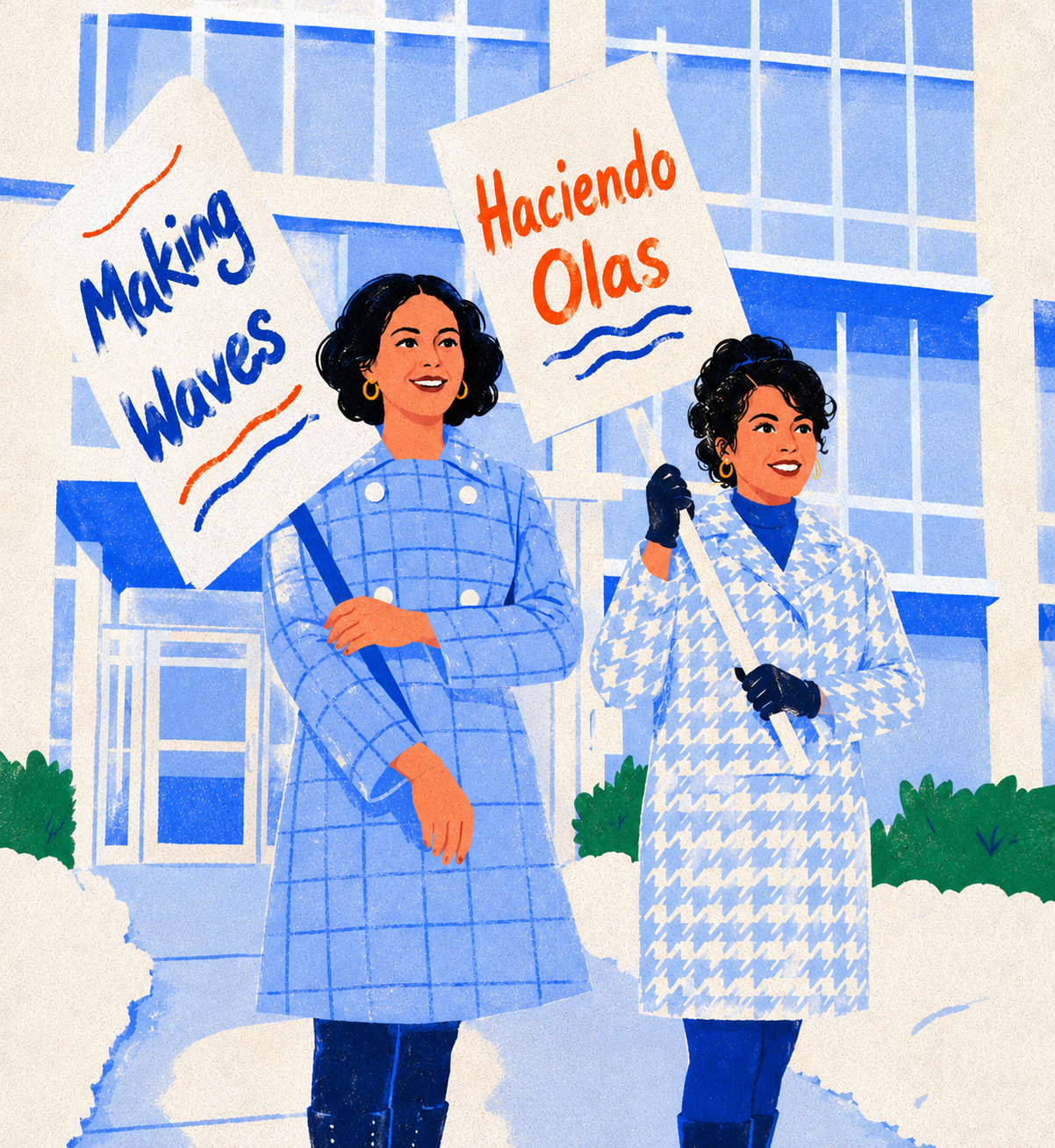
Start with the economy. Latina-owned businesses now number more than 2 million, and together they contribute billions of dollars to the U.S. economy. Inside Latino households, Latinas are also the ones making the purchasing decisions — the ones deciding what gets bought, from whom, and why. That is not a side effect of demographic change. That is the market, responding to who holds the decision.
Frida Kahlo's visual language and Shakira's international reach did not follow existing openings in American culture. Both built audiences and markets that had not previously existed at that scale.
Culture tells a parallel story. Frida Kahlo built a visual language that outlived her and still shapes how the world pictures identity, pain, and self-representation. Shakira built a platform that carried Latin music into rooms it had never been invited into before. Neither waited for the culture to make space — they made it, and the culture followed.
Politics and labor show the same pattern. Alexandria Ocasio-Cortez has used her seat in Congress to put issues on the floor that used to stay in the hallway. Dolores Huerta has spent decades organizing for rights and equality, and the people currently in office who champion those same causes are working from ground she cleared first. Leadership, in both cases, has looked like showing up consistently to a fight rather than winning it once.

Education is moving in the same direction. Latinas are enrolling and completing degrees at higher rates than in previous generations, and that shift compounds. Every Latina who finishes a degree changes what the next one assumes is possible for herself.
More than two million Latina-owned businesses now operate in the United States, one of the fastest-growing segments of new business formation nationally.
None of this adds up to a finished story. The same widening is underway among Latinos across the country, a parallel and connected shift. It adds up to a direction. The Latinas building businesses, making culture, holding office, and finishing degrees are not asking to be let into rooms that were built without them in mind. They are building their own rooms, and, increasingly, the rest of the country is asking to be let in.
THE TAKEAWAY
Multiple data sources — the U.S. Small Business Administration, the Census Bureau's Survey of Business Owners, and the Kauffman Foundation — document Latina-owned businesses as one of the fastest-growing segments of American new business formation over the past decade, with more than two million such businesses now operating in the United States.
Educational attainment data from the National Center for Education Statistics, Pew Research Center, and Excelencia in Education show Latinas completing degrees at higher rates than in prior generations. The combination of business formation, purchasing decision-making within Latino households, and rising educational credentials is reshaping which cohorts hold economic influence in American life.
Sources & Citations
- The estimate of more than 2 million Latina-owned businesses is drawn from combined reporting by the U.S. Small Business Administration's Office of Advocacy, the U.S. Census Bureau's Annual Business Survey and Survey of Business Owners, and the Ewing Marion Kauffman Foundation's Kauffman Indicators of Entrepreneurship. Exact totals vary by year, methodology, and definition of ownership; the figure cited reflects consistent published estimates over recent reporting cycles.
- Latina degree completion trends are documented across the annual reporting of Excelencia in Education, the Pew Research Center's Latino data series, and the National Center for Education Statistics (NCES).
Further Reading
- U.S. Small Business Administration, Office of Advocacy — Latina-owned business growth statistics.
- U.S. Census Bureau — Annual Business Survey; Survey of Business Owners.
- Ewing Marion Kauffman Foundation — Kauffman Indicators of Entrepreneurship, immigrant and minority business formation data.
- Excelencia in Education — annual reporting on Latino educational attainment.
- Pew Research Center — Latino data series.
- National Center for Education Statistics (NCES) — degree completion by demographic.
Reported and written by Rafael Magaña, Founder & Publisher, for Latino Professionals Magazine. → Full archive
RECORD №00104 · MMXXVI · Latino Professionals Magazine
Published by Latino Professionals Media Group.
Documenting the people, ideas, and institutions shaping American business.