

CAREER STRATEGY · CIVIC ESSAY
HR professionals can show their judgment through the decisions they help a business make. Six practices connect the daily responsibilities of an HR generalist to the work of a business partner.
By Jon Orozco · November 19, 2026 · ~4 minute read
EDITORIAL · RECORD № · MMXXVI
Reported, Fall 2026.
IN BRIEF
- The U.S. Government Accountability Office calls for documenting risk assessments in its federal internal control standards. HR professionals can bring the same discipline to a decision memo by putting the risk, options, and responsible person on the page.¹
- The U.S. Office of Personnel Management links job tasks to the skills needed to perform them. Digital.gov recommends organizing instructions around what readers need to do. Both give HR a way to make expectations explicit, from the job description to the handbook.² ³
- OPM's structured interview guidance uses common questions and scoring criteria. The Bureau of Labor Statistics publishes pay estimates by occupation and geography. These sources help put hiring judgments and pay discussions on a more specific footing.⁴ ⁵
- The Centers for Disease Control and Prevention includes learner assessment and follow-up support in its training standards. A manager can apply that guidance by giving an employee a real assignment and reviewing what the employee can do afterward.⁶
Moving into strategic HR starts with understanding the decision behind a request. A new job description, a policy question, and a compensation review each give an HR professional a chance to clarify what the organization is trying to achieve. For Latino professionals pursuing broader responsibility, the six practices below offer ways to make their judgment visible through assignments they may already handle.
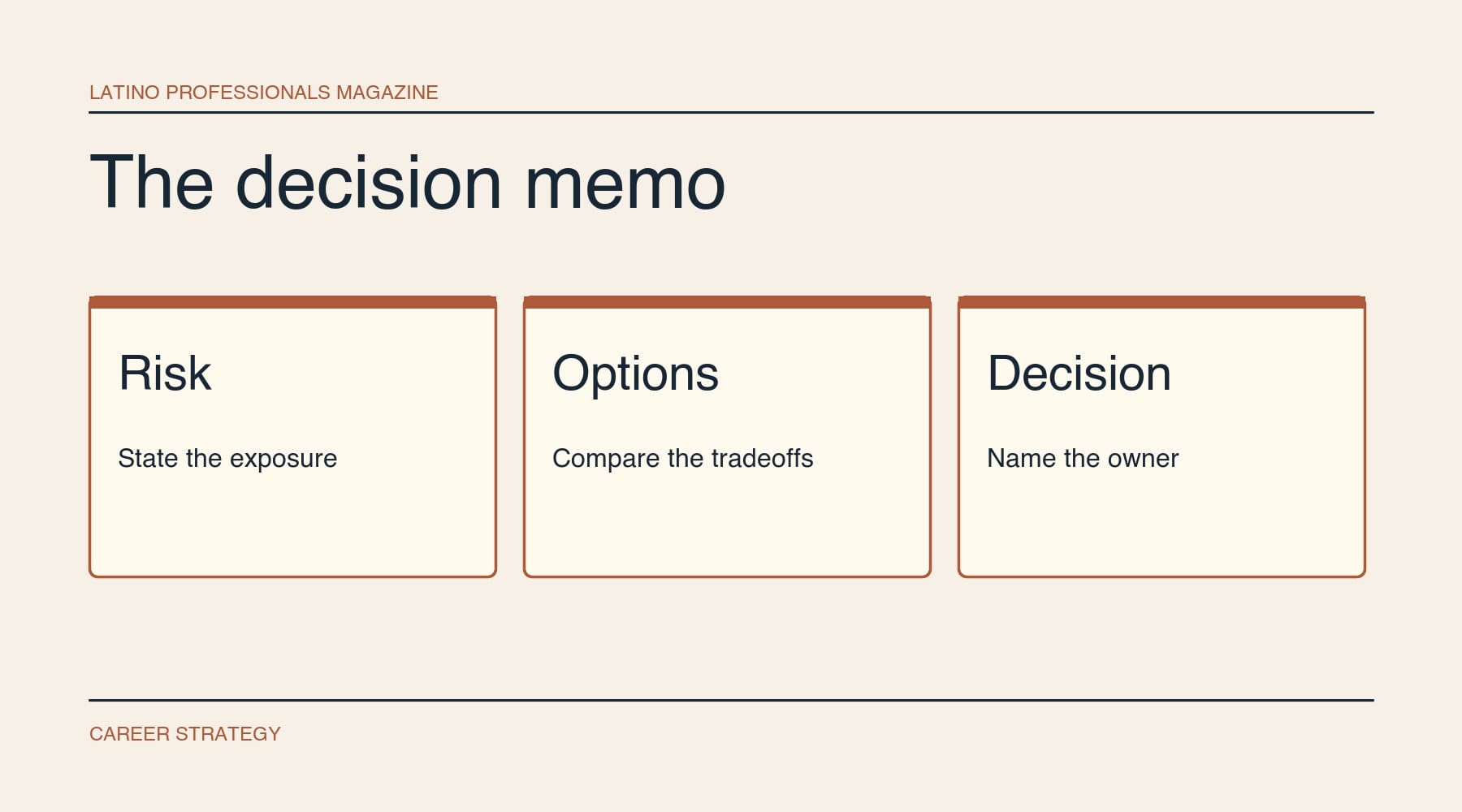
Start by bringing options when you identify a risk. The U.S. Government Accountability Office's Green Book asks federal managers to document how risks were identified, analyzed, and addressed.¹ Consider a manager who wants to combine two roles during a vacancy. An HR partner can prepare a short memo describing the decision, the reason for the proposed change, and the problems it could create. A useful comparison might cover a temporary reassignment, a smaller change to the scope of each role, or a decision to fill the vacancy. For each option, identify who would do the work, what support they would need, and how the manager would know whether the arrangement was working. Record who has authority to approve the plan and flag any point that calls for specialist review.
Next, understand the work before revising the job description. The U.S. Office of Personnel Management recommends examining the tasks of a job, the competencies needed to perform them, and the relationship between the two.² In a hypothetical service team, “excellent communicator” tells a hiring manager little about what to look for. “Explain a service delay to a customer and record the agreed next step” gives the team an action it can discuss. Ask the manager and a person who does the work to walk through a typical case and an unusually difficult one. Use the differences to identify what a new hire must know on arrival and what the team can teach after the person starts.
Then make policies usable under ordinary pressure. Digital.gov advises writers to start with what the reader needs, put the main point first, and order process instructions as people carry them out.³ Take a hypothetical policy on swapping a shift. An employee needs to know how to make the request, who can approve it, and when to expect an answer. A manager needs to know where to record the decision and whom to consult about an exception. Write the instructions for those two readers, keep the effective version in one accessible location, and ask each reader to explain the process back to you. Their account can tell you which part needs clearer instructions.
One practical test is to hand a colleague a draft before the meeting and ask them to use it without an explanation. For the decision memo, can they identify who decides and what evidence is missing? For a job description, can they distinguish the work from a preference about the person doing it? Record the points of confusion and revise the document before asking others to rely on it. The test gives the reviewer a specific task and gives the writer something concrete to fix.
Define the work clearly enough that a manager can explain what success looks like and recognize it in practice.
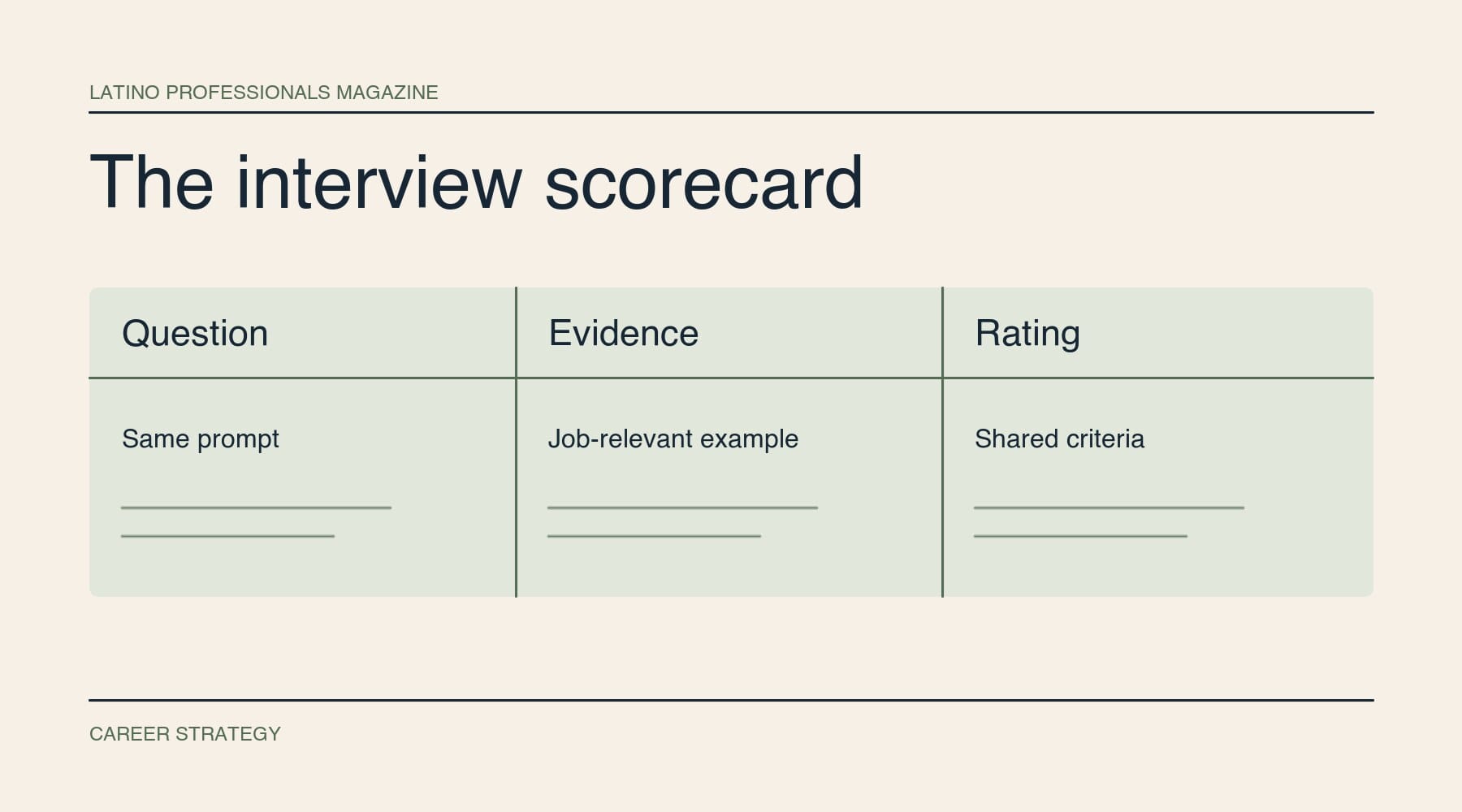
Bring that definition into the interview. OPM's structured interview method uses predetermined questions in the same order and a common rating scale for responses.⁴ Suppose a hiring panel needs to assess how candidates handle competing requests. Ask each candidate to describe a time they had to set priorities, explain the choice, and follow through. Before interviewing, agree on what counts as evidence, such as identifying a deadline, consulting the affected parties, or explaining the tradeoff. Ask panelists to record the evidence for their own ratings before discussing a candidate as a group. The aim is to make the reasoning visible enough for the panel to discuss the substance of a response.
Make the compensation conversation as concrete as the interview. The Bureau of Labor Statistics' Occupational Employment and Wage Statistics program publishes wage estimates for occupations and geographic areas.⁵ Compare the actual duties with the description behind the benchmark and check the location and reference period. If the role combines duties covered by several occupations, explain where each comparison fits and where it falls short. Bring the employer's pay range, budget, and internal equity considerations into the same discussion. The HR partner can then state which assumptions support the proposed offer and identify who can approve an exception. The public benchmark offers a point of comparison for that decision.
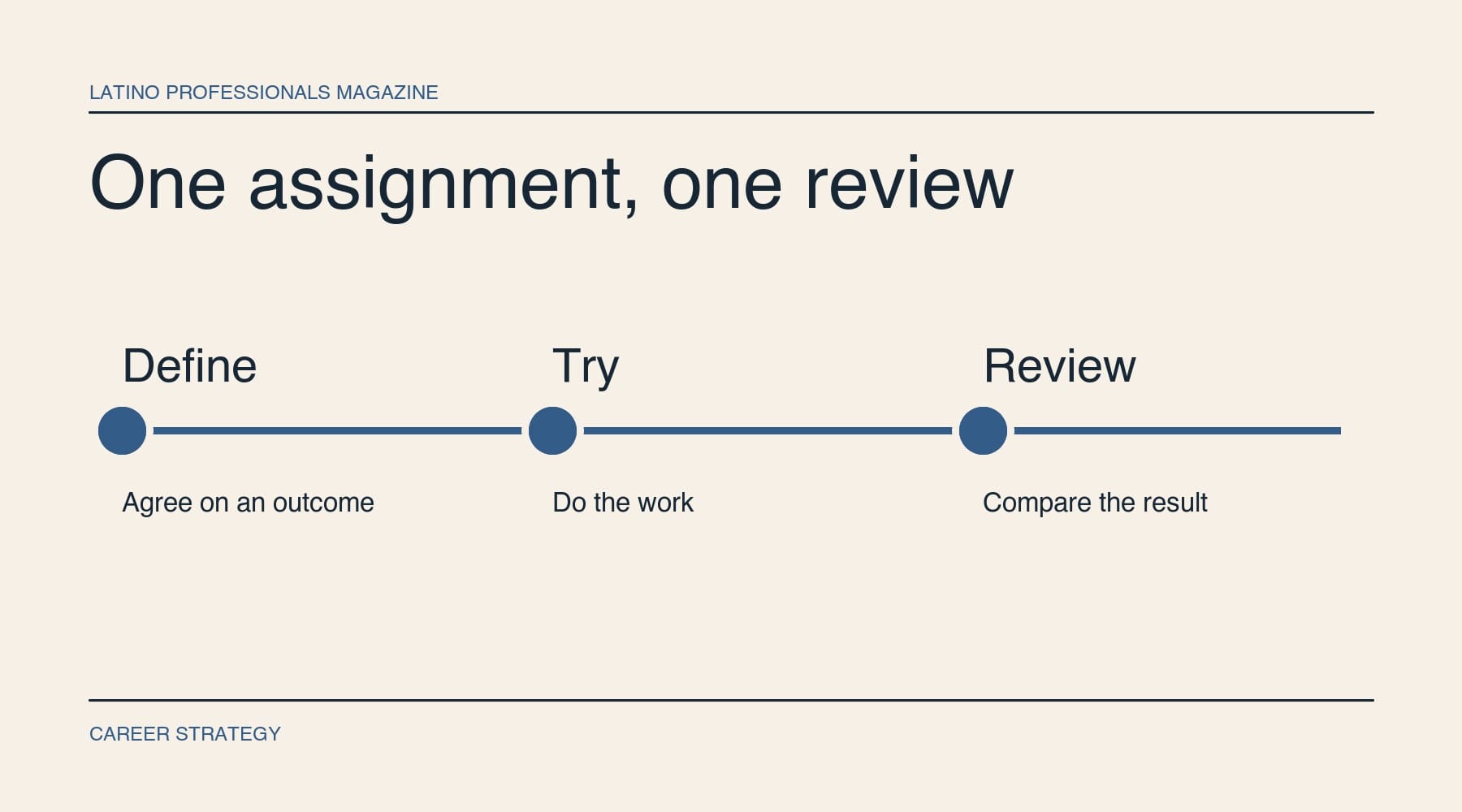
Finally, give employees a chance to apply what they learn. The Centers for Disease Control and Prevention's Quality Training Standards call for learner assessment tied to learning objectives and support for applying the training after it ends.⁶ A manager who wants an employee to improve at onboarding could assign a real upcoming start date, agree on what successful preparation looks like, and review the result after the employee begins. A short follow-up might cover which steps the employee managed independently, where a handoff broke down, and what support would help on the next assignment. Make the assignment and its expectations visible so interested employees know how to seek comparable opportunities.
Choose one of these practices for an upcoming decision and agree with the decision owner on the work you will deliver. Put the outcome and the review date in writing, then return to the decision to see what happened. As From HR Tactics to Business Strategy explores, the larger task is to connect people decisions with an explicit business goal. Start with a decision the organization already needs to make and give the people involved a sound basis for making it.
THE TAKEAWAY
The Government Accountability Office and the Office of Personnel Management provide practical ways to show the reasoning behind a decision. A written risk assessment, a definition of the work, and common interview criteria each help establish what evidence the people making a decision should examine.¹ ² ⁴
Digital.gov, the Bureau of Labor Statistics, and the Centers for Disease Control and Prevention show how that discipline extends to instructions, pay comparisons, and skill development. Their guidance gives HR professionals concrete ways to make expectations clear and agree on what they will review afterward.³ ⁵ ⁶
Sources & Citations
- U.S. Government Accountability Office, 2025 Green Book. The highlights document the requirements to identify, analyze, respond to, and record risks. The standards apply to federal internal control. The vacancy example is hypothetical.
- U.S. Office of Personnel Management, Job Analysis. The guidance explains how to connect job tasks and competencies. The service example is hypothetical.
- Digital.gov, Organize the Information. The guide recommends placing the bottom line first and using chronological order for process instructions. It addresses government communication. The shift example applies the writing approach to an HR setting.
- U.S. Office of Personnel Management, Structured Interviews. The guidance describes common questions, question order, and scoring. The suggested interview scenario is hypothetical.
- U.S. Bureau of Labor Statistics, Occupational Employment and Wage Statistics Frequently Asked Questions. The methodology explains occupational and geographic coverage. The estimates describe groups of jobs and provide a benchmark for a particular employer's review.
- Centers for Disease Control and Prevention, Quality Training Standards. Standards seven and eight address learner assessment and follow-up support. CDC frames these as benchmarks for training it develops or funds. The onboarding example is an application of the guidance.
Further Reading
- U.S. Office of Personnel Management, Structured Interview Guide: A step-by-step guide to designing and scoring interviews.
- Digital.gov, Principles of Plain Language: Guidance for writing around reader needs and testing whether instructions communicate clearly.
- U.S. Bureau of Labor Statistics, OEWS Tables: Wage and employment estimates by occupation and geography.
- Centers for Disease Control and Prevention, Training Development: Resources for designing and evaluating training.
Reported and written by Jon Orozco, Workplace & Technology Columnist, for Latino Professionals Magazine. → Full archive
RECORD № · MMXXVI · Latino Professionals Magazine
Published by Latino Professionals Media Group.
Documenting the people, ideas, and institutions shaping American business.