PUBLISHER'S ESSAY · FOUNDING RECORD
The founding essay of Latino Professionals Magazine. A record of American Latino leadership from St. Augustine in 1565 to the Supreme Court to the executives currently in the magazine's pages.
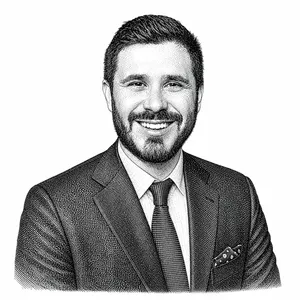
By Rafael Magaña, Founder & Publisher · August 3, 2026 · ~10 minute read
EDITORIAL · RECORD №00001 · MMXXVI
Before the Revolution
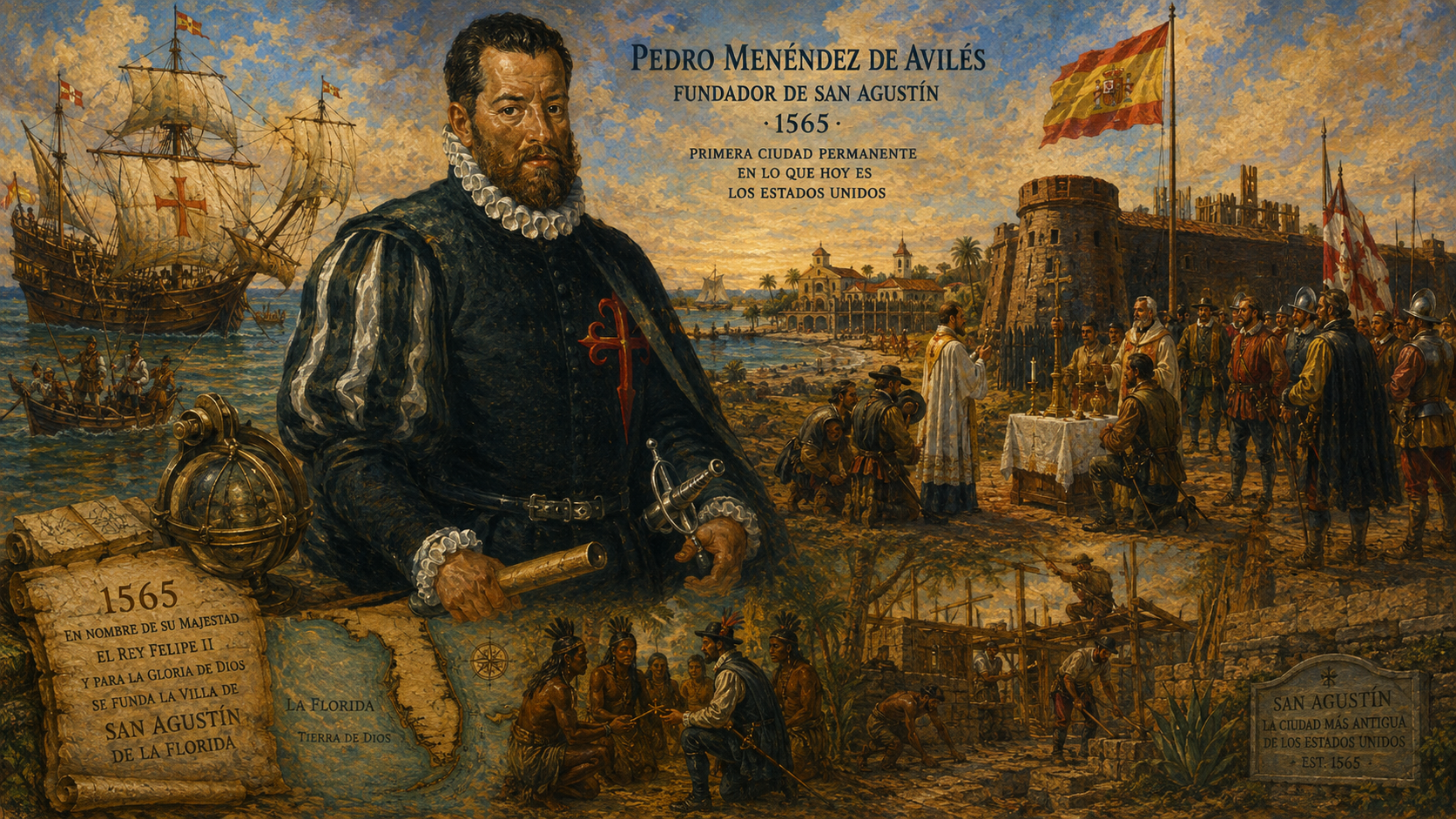
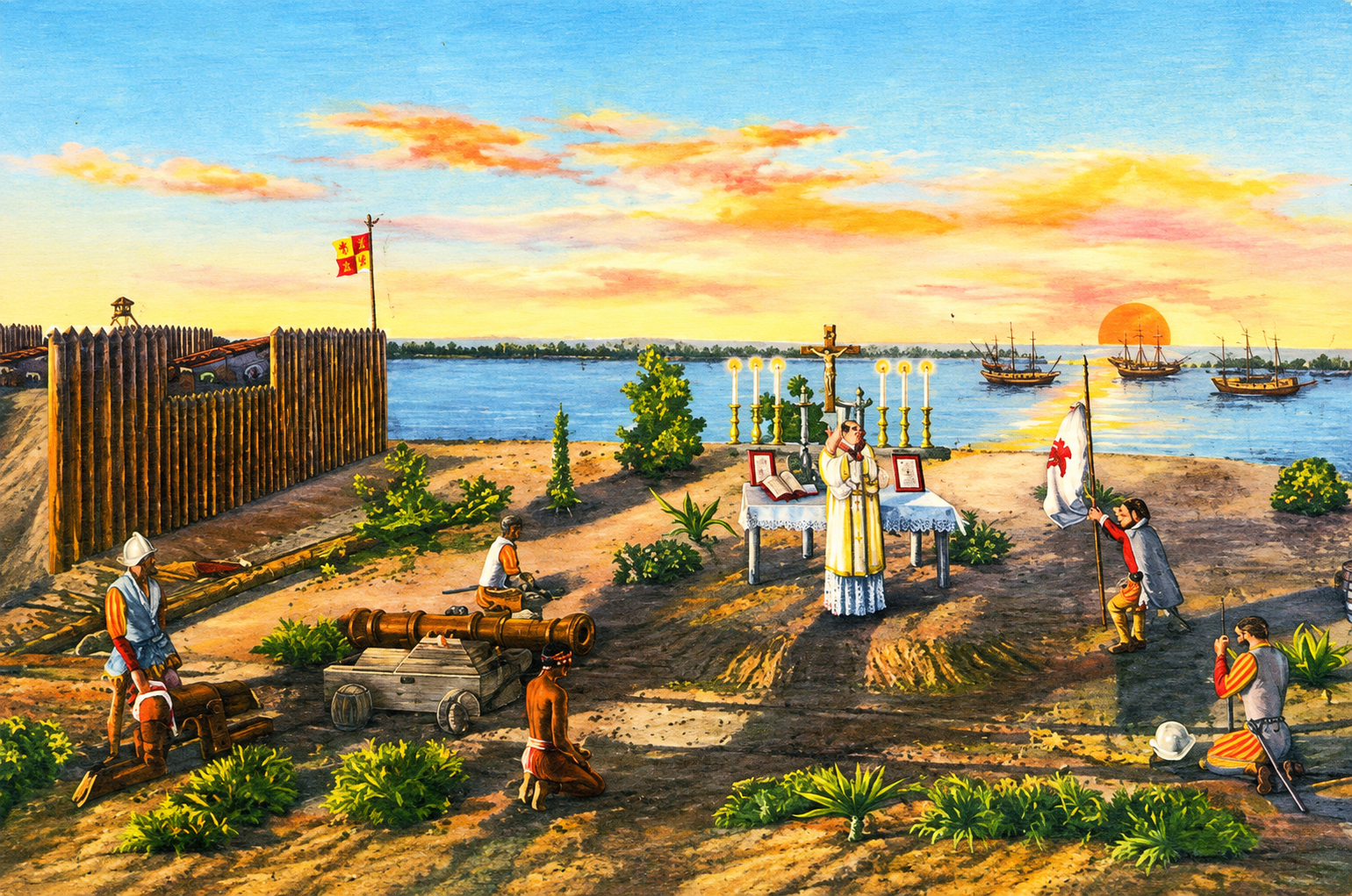
Pedro Menéndez de Avilés founded the settlement at St. Augustine, Florida, in 1565 — the oldest continuously inhabited European-founded city in the continental United States. (San Juan, Puerto Rico, settled forty-four years earlier in 1521, holds the distinction of the oldest city under American jurisdiction.) The city has been continuously inhabited by Spanish-speaking families ever since — two hundred and eleven years before the Continental Congress in Philadelphia, and seventy-one years before the founding of Harvard College. In 1610, Pedro de Peralta established Santa Fe, which became the capital of a Spanish province and, later, of an American state.
A war financed in part with Spanish silver
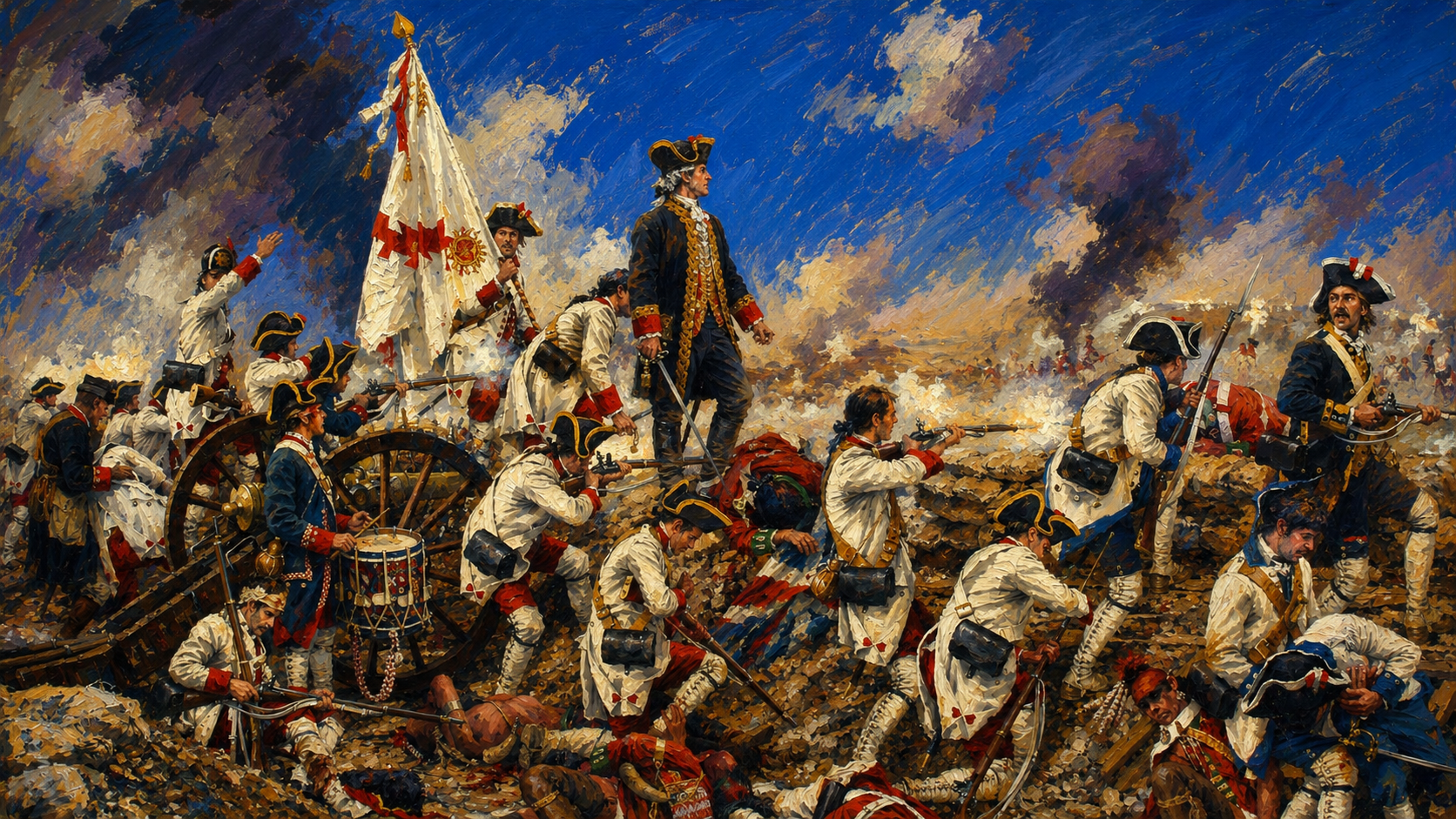
In 1779, Bernardo de Gálvez, the Spanish governor of Louisiana, opened a southern campaign against Britain after Spain entered the war in support of the American Revolution. His victories at Baton Rouge in September 1779, Mobile in March 1780, and Pensacola in May 1781 eliminated British control of key Gulf Coast strongholds, helping secure the southern theater at a critical stage of the war. Gálvez also organized the flow of arms, uniforms, and hard currency to American forces. Spanish silver dollars provided essential liquidity for the American war effort during periods when Continental paper currency had sharply depreciated and public confidence in it had eroded.
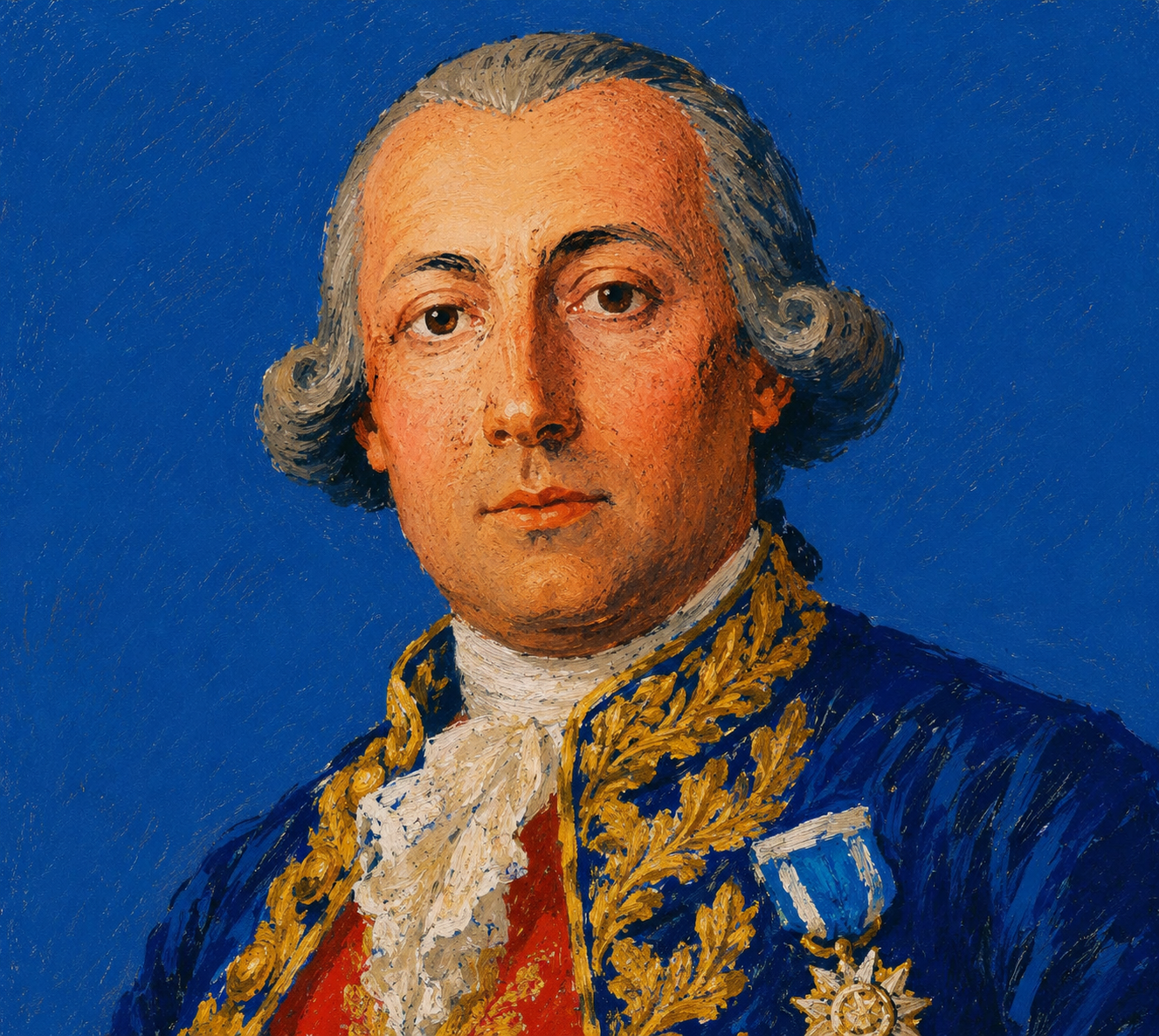
In December 2014, Congress made Bernardo de Gálvez an honorary citizen of the United States by joint resolution (Public Law 113-229). His portrait hangs in the Senate wing of the Capitol. It is the eighth such citizenship the Congress has granted; earlier recipients include the Marquis de Lafayette, William and Hannah Penn, and Winston Churchill.
The Californio century, and a border that moved
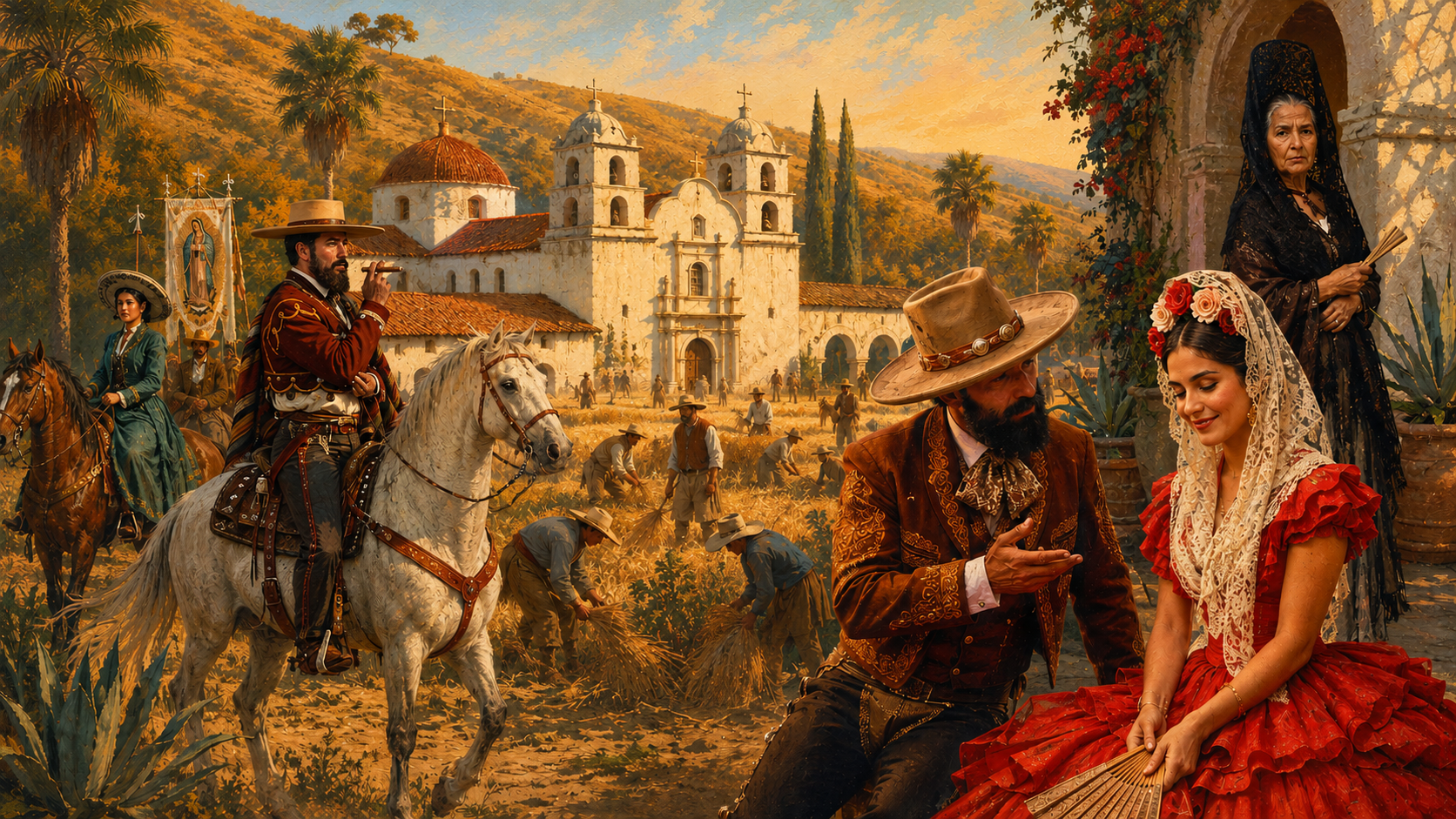
Between the American Revolution and the Mexican-American War, most of what is now the western United States was governed, worked, and improved by Spanish-speaking families. In California, the Californio rancho system organized land, water, and cattle across what would become Los Angeles, San Diego, Santa Barbara, and the coastal spine of the state. In New Mexico, the ricos — the Chávez, Otero, Perea, Armijo, and Baca families — administered trade, politics, and civic life through the Santa Fe Trail years and after. The Treaty of Guadalupe Hidalgo in 1848 moved the international border. The families did not move. They became American citizens by treaty and continued operating the same economies under a new flag.
Ybor City, and the cigar as an industry
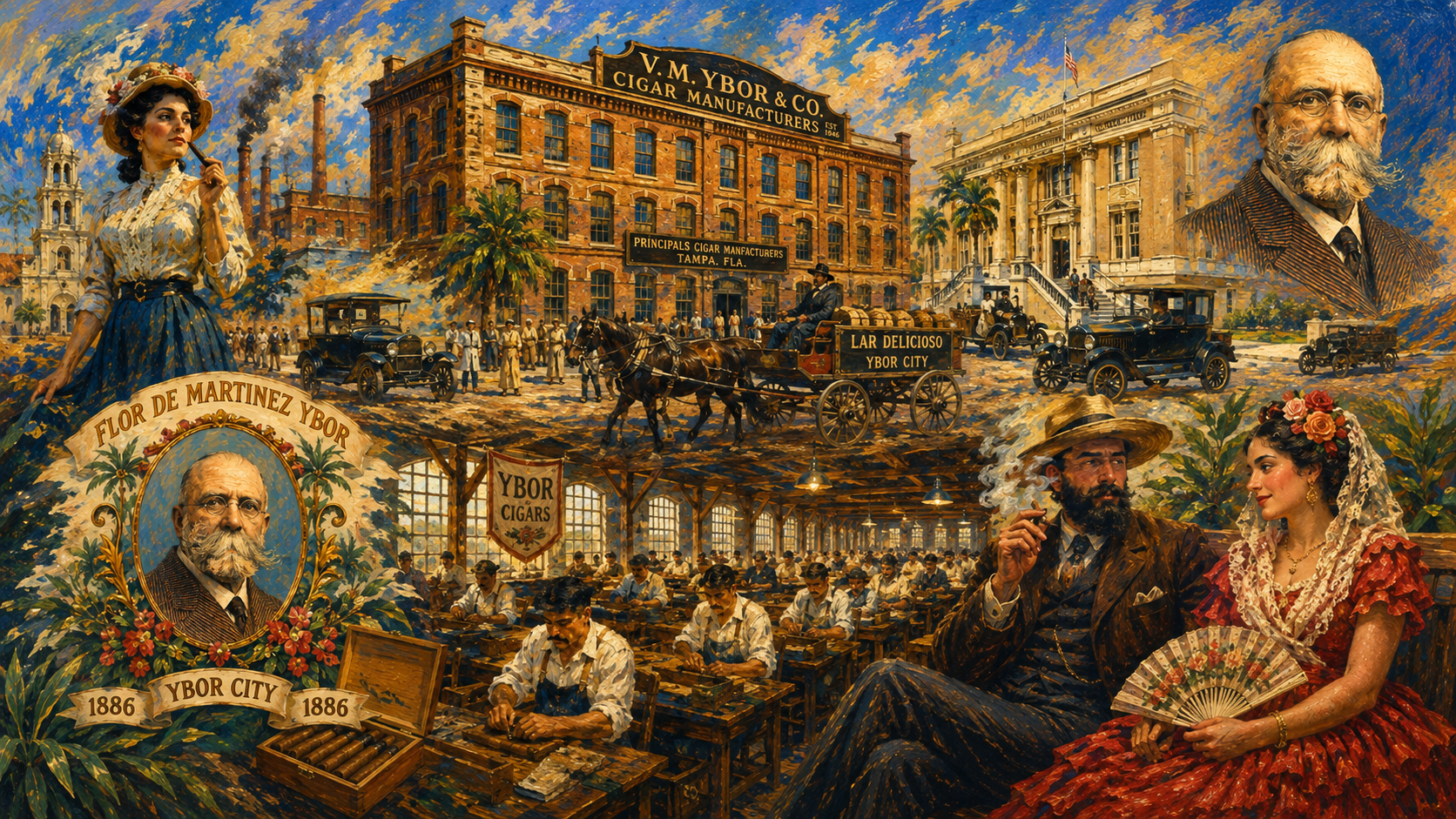
Vicente Martínez Ybor moved his cigar operations from Cuba, through Key West, to a marsh east of Tampa in the 1880s. The settlement that grew there became the largest cigar-manufacturing center in the United States, and for a period the largest in the world. By the 1920s, hundreds of factories employed tens of thousands of workers. The industrialists — Ybor, Ignacio Haya, Eduardo Manrara — built factories, hospitals, mutual-aid societies, and the clubs that still stand in Tampa: the Centro Español, the Centro Asturiano, the Círculo Cubano.
The Spanish-language press in the United States
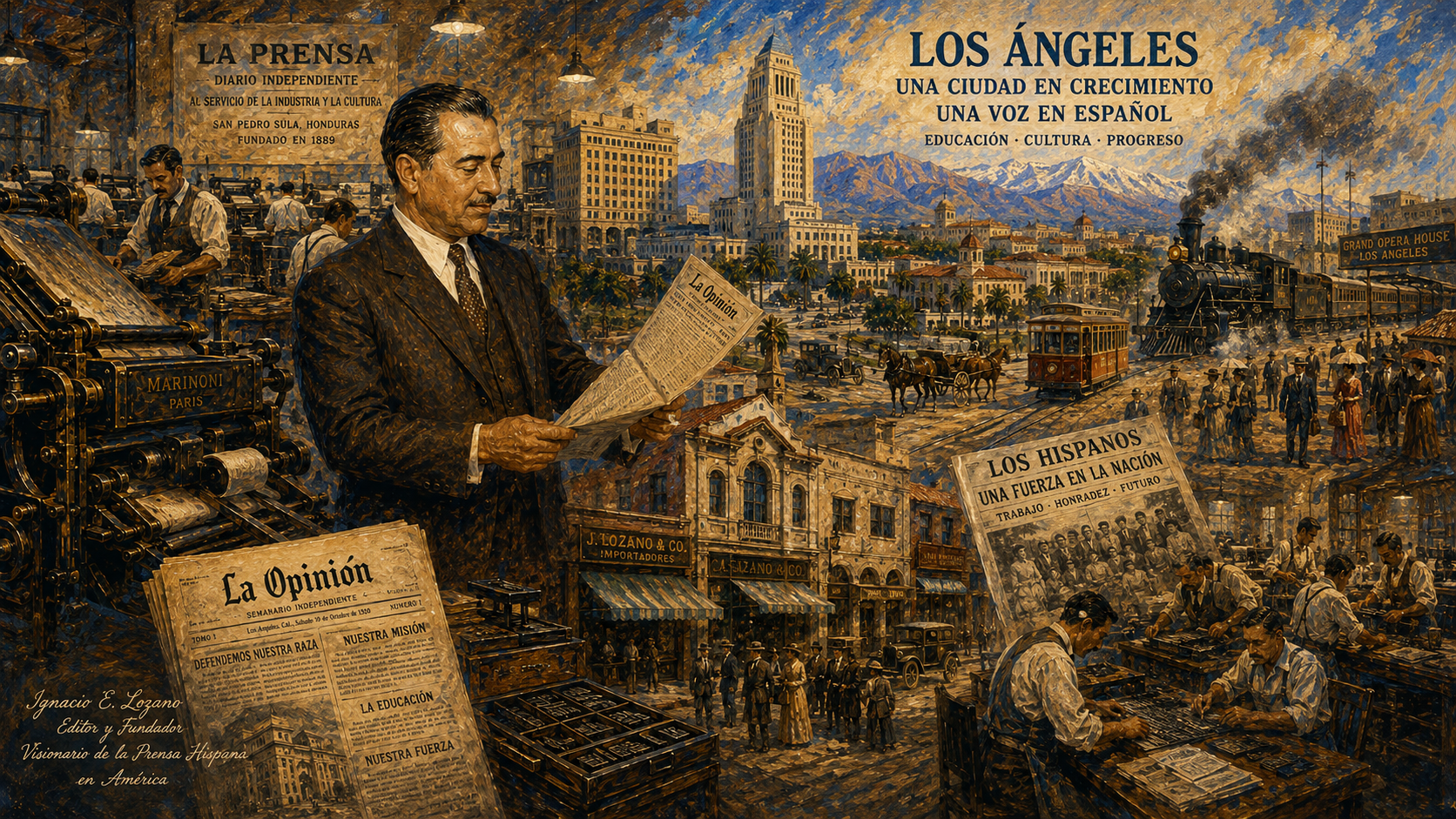
Ignacio E. Lozano founded La Prensa in San Antonio in 1913, and La Opinión in Los Angeles in 1926. La Opinión is the largest and oldest Spanish-language daily still publishing in the United States. Every Spanish-language newsroom operating in the country since 1926 draws part of its lineage from Lozano's decision to publish a serious daily press in Spanish on American soil.
The twentieth century
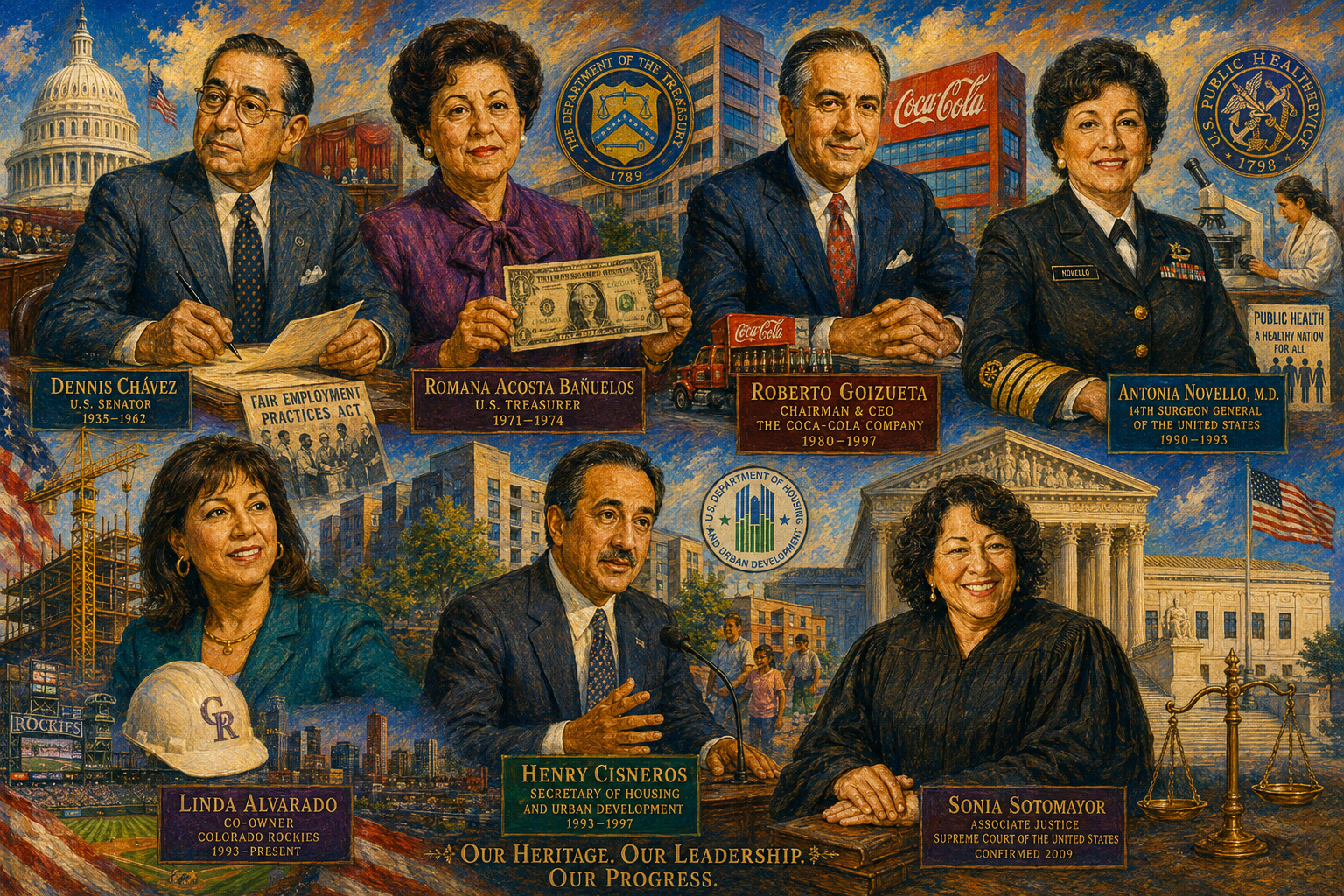
Dennis Chávez became a U.S. Senator from New Mexico in 1935 — the first person born of Spanish-speaking parents to hold the office. He served until 1962, sat on the Appropriations Committee, and advanced the Fair Employment Practices Act for two decades before its principles became the basis of the Civil Rights Act.
Romana Acosta Bañuelos became the thirty-fourth Treasurer of the United States in 1971. Her signature appeared on American currency for three years.
Roberto Goizueta became Chairman and Chief Executive of The Coca-Cola Company in 1980. During his seventeen-year tenure, the company's market capitalization rose from approximately four billion dollars to more than one hundred fifty billion. He restructured the bottling system, absorbed the New Coke episode of 1985 without lasting damage to the enterprise, and is regarded as one of the most consequential chief executives in American postwar business. He had arrived in Miami as a Cuban refugee in his mid-twenties.
Antonia Novello became the fourteenth Surgeon General of the United States in 1990 — the first woman and the first Latina to hold the position. She directed federal health policy through the early years of the AIDS response and the first coordinated federal action on underage drinking.
Linda Alvarado joined the founding ownership group of the Colorado Rockies in 1993, becoming the first Latina majority owner of any Major League Baseball franchise. The construction company she had built in Denver from three employees now operates across most of the United States.
Henry Cisneros, a four-term mayor of San Antonio, became Secretary of Housing and Urban Development under President Clinton in 1993 and ran the redevelopment of American public housing.
Sonia Sotomayor was confirmed to the Supreme Court of the United States in August 2009, the first justice of Latina heritage. She has served on the Court since.
Since the magazine was founded in 2014
Pablo Segarra served twelve years as an officer with the New York Police Department in Washington Heights before an on-duty injury ended his career. He completed law school while still on the force, and now runs a Manhattan intellectual property practice for freelancers and side-business owners. He structured the arrangement that moved Muhammad Ali's intellectual property onto the blockchain.
Andre Arbelaez, of Colombian heritage and Detroit birth, led the Hispanic IT Executive Council through its first decade. He is now Chief Executive of HC3, the Hispanic C-Suite Corporate Council, and convenes an annual business conference with the National Football League in each year's draft city.
Andrea Marquez created and hosts This Is Small Business, Amazon's first original podcast. Elaine Del Valle wrote a one-woman play about growing up in 1980s Brownsville, Brooklyn, which she developed into a Latino Book Award novel, then a SXSW-selected short film, then a theatrical feature. Jon Orozco, a Fractional Chief People Officer, advises executive teams on organizational design and on why most corporate AI pilots fail to produce a measurable return.
Four hundred and sixty-one years separate Pedro Menéndez's founding of St. Augustine from Pablo Segarra's blockchain work in Manhattan. The people in between were never footnotes to American history — they built it, governed it, and financed it before the United States was established. Most of them were never properly counted. Latino Professionals Magazine keeps that account now: one profile at a time, each earning its place by what the person built, financed, governed, or made possible.
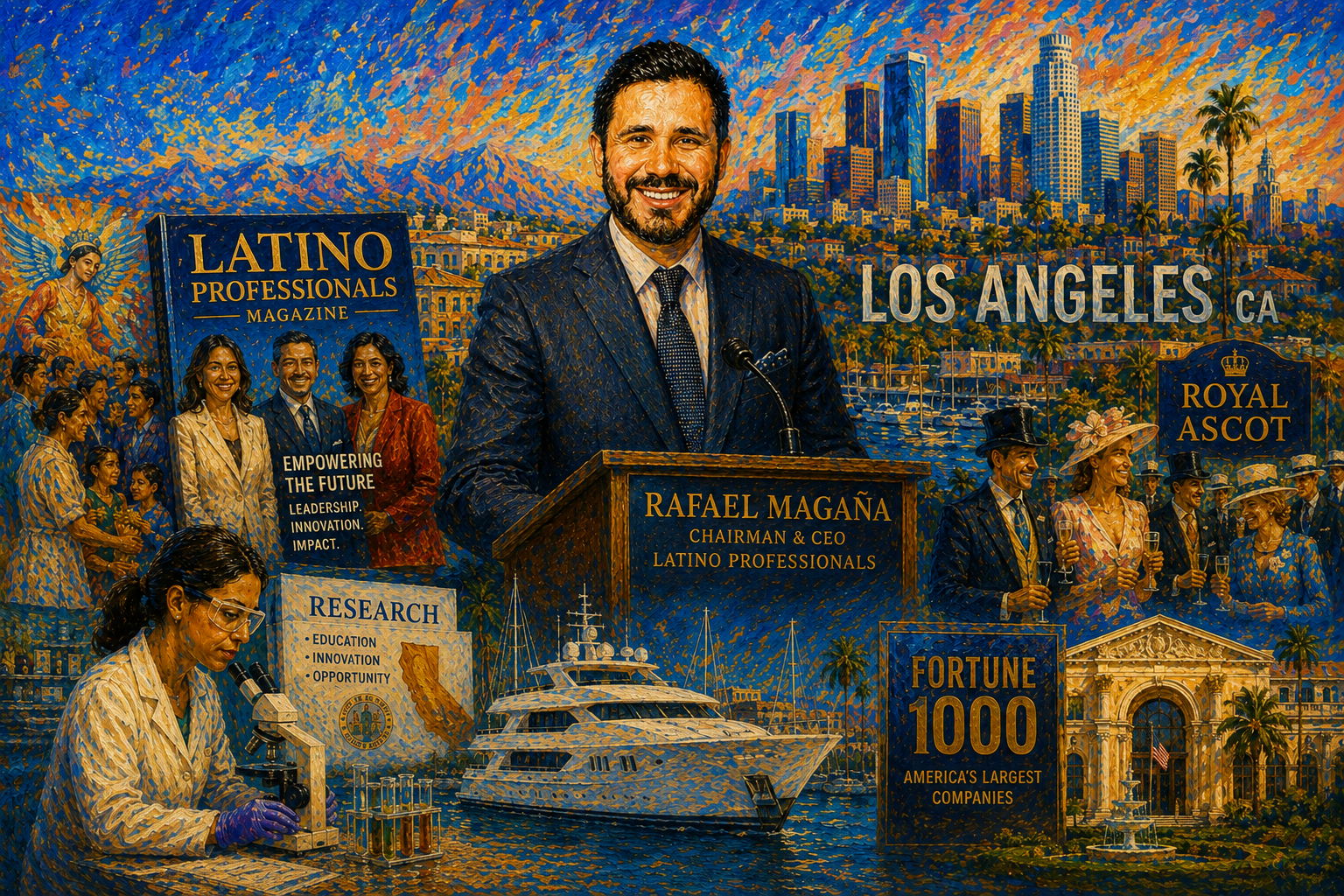
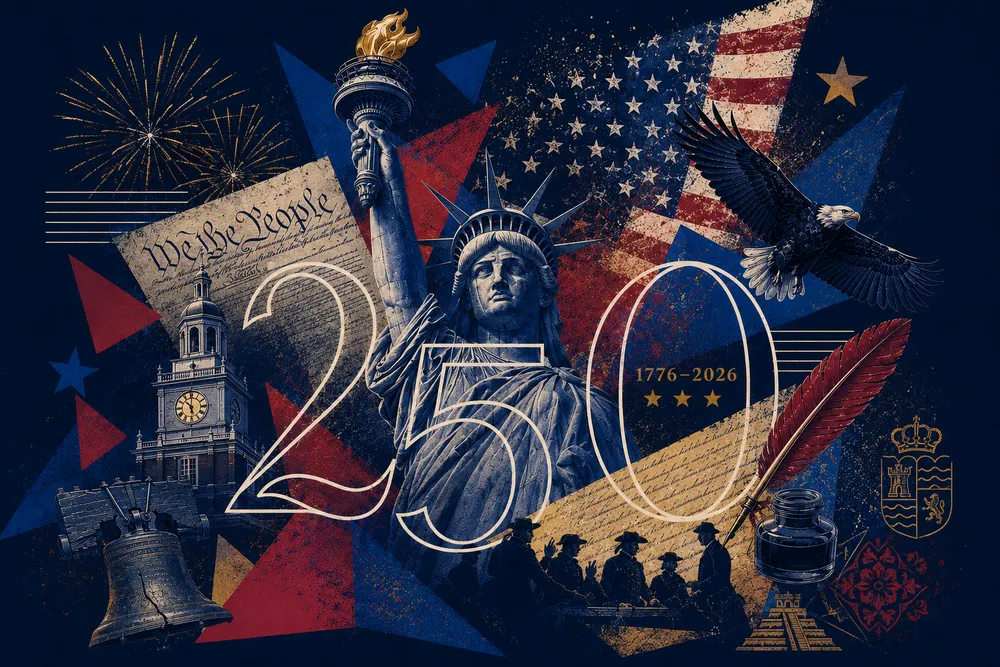
America is entering its next two hundred and fifty years. From Los Angeles, the next generation of builders is already at work — founding companies, leading institutions, financing what comes next, and governing communities much of the country has yet to notice. We intend to document them as their history is being made, not decades after it.
Sources
St. Augustine's founding date and continuous habitation: National Park Service (Castillo de San Marcos, Fort Matanzas) and the City of St. Augustine historical record. Santa Fe: New Mexico Historic Preservation Division. Gálvez campaigns: Kathleen DuVal, Independence Lost: Lives on the Edge of the American Revolution (Random House, 2015); Library of Congress Hispanic Reading Room. Spanish financing of the American Revolution: Larrie D. Ferreiro, Brothers at Arms: American Independence and the Men of France and Spain Who Saved It (Knopf, 2016; 2017 Pulitzer Prize in History). Gálvez honorary citizenship: Public Law 113-229, signed December 16, 2014. Californio history: Leonard Pitt, The Decline of the Californios (University of California Press). Ybor City: Gary Mormino and George E. Pozzetta, The Immigrant World of Ybor City (University of Illinois Press). Career records for Chávez, Bañuelos, Goizueta, Novello, Alvarado, Cisneros, and Sotomayor drawn from U.S. Senate records, U.S. Department of the Treasury, Coca-Cola Company annual reports, U.S. Public Health Service records, MLB franchise records, U.S. Department of Housing and Urban Development, and the Supreme Court of the United States public record. Current-record subjects drawn from published Latino Professionals Magazine profiles.
Reported and written by Rafael Magaña, Founder & Publisher, for Latino Professionals Magazine. → Full archive
RECORD №00001 · MMXXVI · Latino Professionals Magazine
Published from Los Angeles. Published by Latino Professionals Media Group.
Documenting the people, ideas, and institutions shaping American business.